📝 Common Names (6 Languages)
✅ Evidence-Based Benefits
Traditional Chinese Medicine immune tonic with growing clinical evidence. Systematic review of 34 RCTs shows benefit as adjunct in cancer therapy - reduces chemotherapy side effects and improves quality of life (PMID: 22301386). Meta-analysis demonstrates improved immune function markers (IgA, IgG, CD4+ counts) and reduced infection rates (PMID: 17636776). May benefit chronic heart failure and diabetic nephropathy. Enhances vaccine response in elderly.
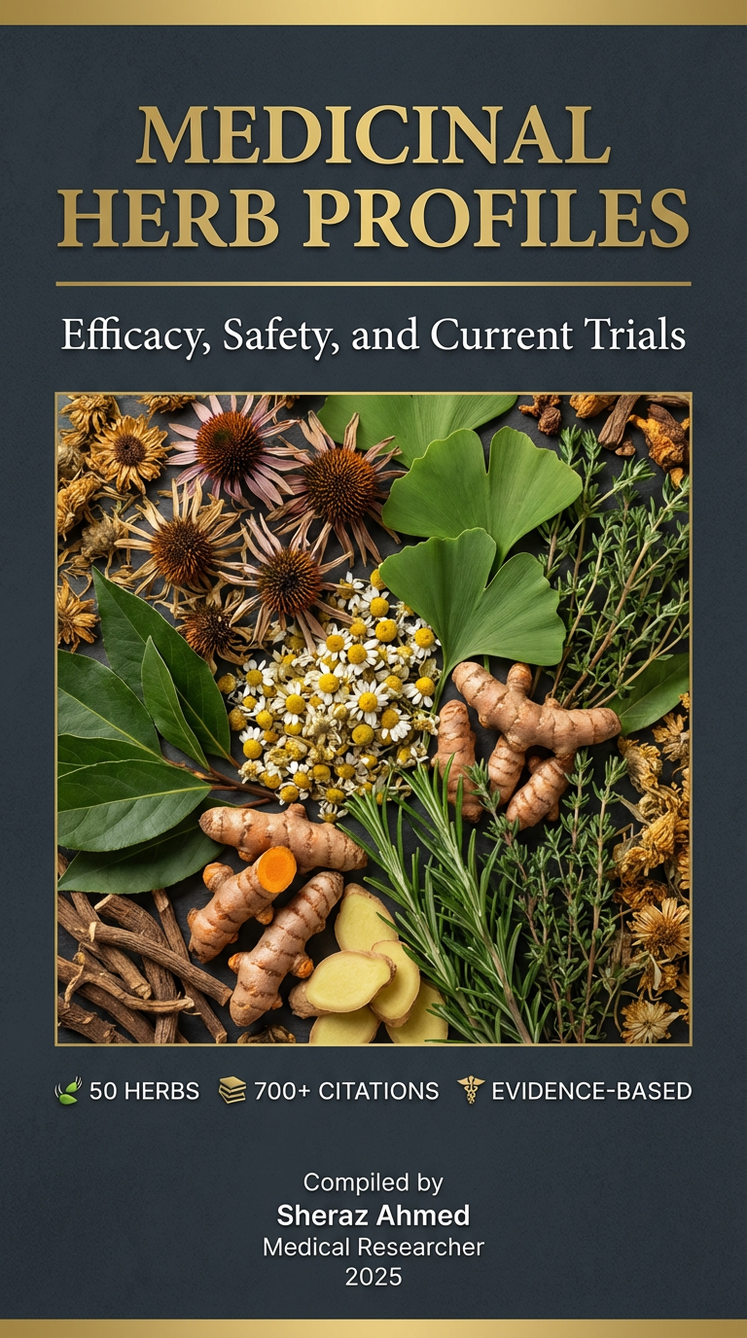
📚 Want the Complete Guide?
Get our comprehensive Medicinal Herb Profiles PDF Book featuring all 50 herbs with detailed information, clinical trials, safety data, and multilingual names.
- ✅ 50 Complete Herb Profiles
- ✅ 700+ Research Citations
- ✅ Evidence-Based Information
- ✅ Instant Digital Download
Perfect for healthcare professionals, students & herbal medicine enthusiasts
🔬 Clinical Trials & Evidence
⚕️ Evidence-Based Research: Clinical trials provide the highest level of evidence for herbal efficacy and safety. The trials listed below represent peer-reviewed research registered on ClinicalTrials.gov. Each trial includes detailed protocols, patient populations, interventions tested, and measurable outcomes. Click links to access full trial details and published results.
Systematic review: 34 RCTs, cancer adjunct therapy benefits
Meta-analysis: Improved immune markers validated
🔍 Find More Clinical Trials
Search for additional ongoing and completed trials investigating this herb's therapeutic effects:
💡 Research Tip: Use both common name and scientific name when searching for comprehensive results. Filter by "Completed" trials to find published outcomes.
💊 Drug Interactions
⚠️ CRITICAL SAFETY INFORMATION
Herb-drug interactions can be serious and potentially life-threatening. Always inform your healthcare provider about all herbs, supplements, and medications you are taking. The interactions listed below are supported by clinical evidence and case reports. Citations link to peer-reviewed research on PubMed.
📚 Evidence-Based Interactions: Each interaction below includes research citations (PMID links) documenting the mechanism, clinical significance, and management recommendations. Click citations to access full studies.
⚠️ Immunosuppressants (Transplant medications)
Risk: May reduce effectiveness of immunosuppression
Mechanism: Immunostimulatory properties
Action: AVOID in organ transplant patients. Consult transplant team
Antidiabetic Medications
Effect: May lower blood glucose
Action: Monitor blood sugar. May allow medication dose reduction
Antihypertensives
Effect: May lower blood pressure
Action: Monitor BP regularly
Chemotherapy
Effect: May reduce side effects and enhance effectiveness
Action: Inform oncologist. May be beneficial but requires medical supervision
📖 Key Interaction Databases & Resources
- Natural Medicines Database: Professional herb-drug interaction checker
- PubMed: Search for latest interaction research
- Drugs.com: Drug interaction checker
- Micromedex: Hospital-grade interaction database (subscription required)
💡 Clinical Tip: Show your healthcare provider this page and the linked research citations when discussing potential interactions.
⚠️ Safety Information
Adverse Events
Excellent safety profile with minimal adverse effects. Rare mild gastrointestinal upset. May cause mild immunostimulation (theoretical concern in autoimmune disease). No serious adverse events in systematic reviews. Generally well tolerated even with long-term use.
⛔ Contraindications
Caution in autoimmune diseases (theoretical immune stimulation). May interact with immunosuppressants. Avoid in acute infections per TCM theory (use after acute phase). Generally safe but inform oncologist if using during cancer treatment. Pregnancy/breastfeeding - consult healthcare provider.
🧬 Mechanism of Action
Astragalosides and polysaccharides provide immunomodulatory effects via: macrophage and natural killer cell activation, T-cell stimulation, interferon production, antioxidant activity. Cardioprotective via improved cardiac function and reduced oxidative stress. Anti-inflammatory via NF-κB inhibition.
💊 Dosage & Administration
500-1000mg standardized extract 2-3 times daily OR 4-7g dried root as decoction. Traditional Chinese Medicine: 9-30g daily in formulations. Effects on immune function after 8-12 weeks. Often combined with other herbs in TCM practice.
⚕️ Note: Consult healthcare provider for appropriate dosing, especially if taking medications.
📖 Additional Resources
🌐 WHO Monograph
Available in WHO Monographs on Selected Medicinal Plants
🔬 PubMed Search
🧪 ClinicalTrials.gov
Disclosure: This page contains affiliate links. As an Amazon Associate, we earn from qualifying purchases at no additional cost to you. This helps support our educational content.
Data Retrieval Date: November 29, 2025
Compiled by: Sheraz Ahmed
License: CC BY-SA 4.0
Citation: Ahmed, S. (2025). Medicinal Herbs Database. Clinical Corner. https://welovelmc.com/medical-tools.htm