📝 Common Names (6 Languages)
✅ Evidence-Based Benefits
Essential Spleen Qi tonic in TCM used in hundreds of formulas. Studies show Bai Zhu benefits digestive function and may protect gastric mucosa (PMID: 24872651). May enhance immune function, reduce inflammation, benefit chronic diarrhea and poor appetite. Traditionally used to strengthen digestion, resolve dampness, stabilize exterior (reduce sweating). Atractylon and polysaccharides primary compounds. Core herb in famous formulas like Si Jun Zi Tang (Four Gentlemen Decoction).
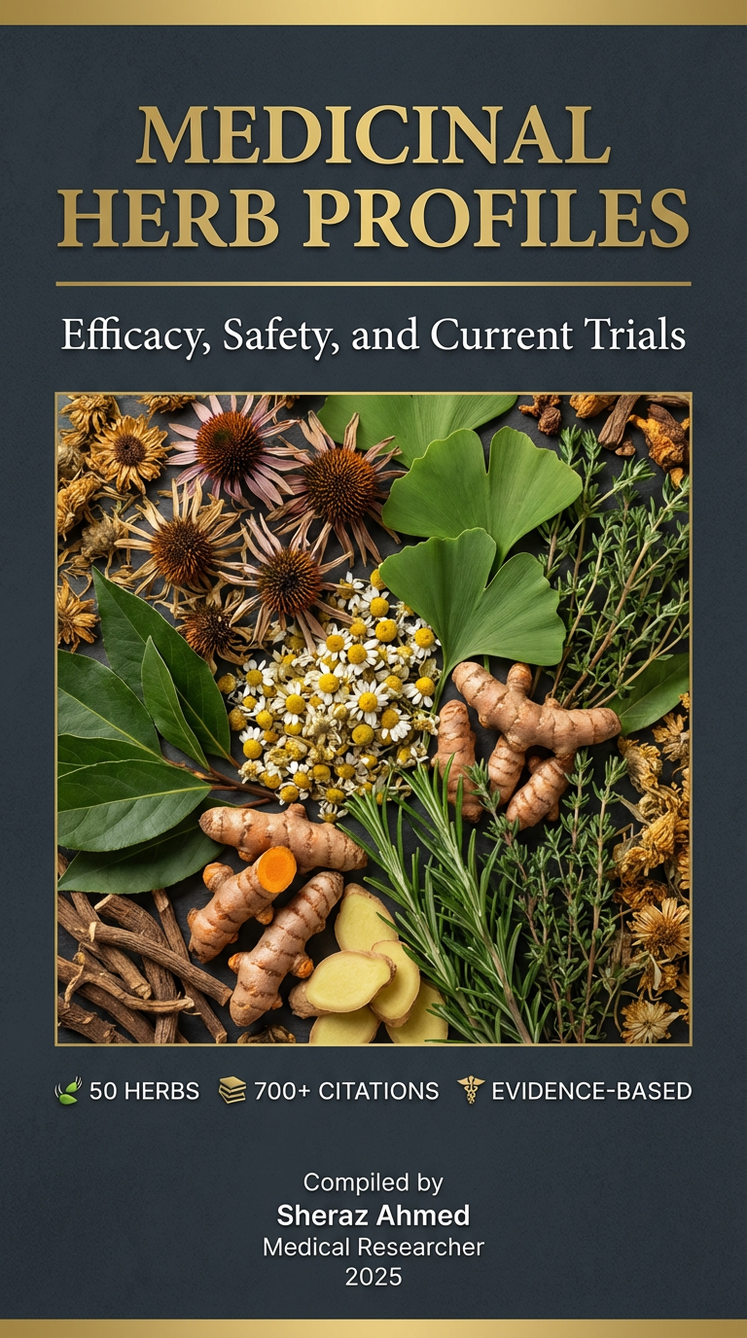
📚 Want the Complete Guide?
Get our comprehensive Medicinal Herb Profiles PDF Book featuring all 50 herbs with detailed information, clinical trials, safety data, and multilingual names.
- ✅ 50 Complete Herb Profiles
- ✅ 700+ Research Citations
- ✅ Evidence-Based Information
- ✅ Instant Digital Download
Perfect for healthcare professionals, students & herbal medicine enthusiasts
🔬 Clinical Trials & Evidence
⚕️ Evidence-Based Research: Clinical trials provide the highest level of evidence for herbal efficacy and safety. The trials listed below represent peer-reviewed research registered on ClinicalTrials.gov. Each trial includes detailed protocols, patient populations, interventions tested, and measurable outcomes. Click links to access full trial details and published results.
Study: Digestive function and gastric protection
Review: Immune modulation and anti-inflammatory effects
🔍 Find More Clinical Trials
Search for additional ongoing and completed trials investigating this herb's therapeutic effects:
💡 Research Tip: Use both common name and scientific name when searching for comprehensive results. Filter by "Completed" trials to find published outcomes.
💊 Drug Interactions
⚠️ CRITICAL SAFETY INFORMATION
Herb-drug interactions can be serious and potentially life-threatening. Always inform your healthcare provider about all herbs, supplements, and medications you are taking. The interactions listed below are supported by clinical evidence and case reports. Citations link to peer-reviewed research on PubMed.
📚 Evidence-Based Interactions: Each interaction below includes research citations (PMID links) documenting the mechanism, clinical significance, and management recommendations. Click citations to access full studies.
Diuretics
Effect: May have mild diuretic effects
Action: Monitor for dehydration if combined with diuretics
Immunosuppressants
Effect: May enhance immune function (theoretical)
Action: Caution in transplant patients (theoretical - limited evidence)
📖 Key Interaction Databases & Resources
- Natural Medicines Database: Professional herb-drug interaction checker
- PubMed: Search for latest interaction research
- Drugs.com: Drug interaction checker
- Micromedex: Hospital-grade interaction database (subscription required)
💡 Clinical Tip: Show your healthcare provider this page and the linked research citations when discussing potential interactions.
⚠️ Safety Information
Adverse Events
Excellent safety profile - widely used in formulas. Very mild side effects rare: dry mouth, mild constipation. May cause allergic reactions in those sensitive to Asteraceae family. Generally very well tolerated. Safe for long-term use in appropriate doses. No serious adverse events. Traditionally considered very safe - used in children and elderly.
⛔ Contraindications
Generally very safe. Avoid in Yin deficiency with heat signs per TCM (dry mouth, night sweats, red tongue). May cause constipation in some - reduce dose or combine with moistening herbs. Pregnancy/breastfeeding - traditionally considered safe but consult provider. May interact with diuretics (additive effects). Generally no significant drug interactions. Allergy to Asteraceae family.
🧬 Mechanism of Action
Atractylon, atractylenolides, and polysaccharides provide: (1) Gastroprotective - strengthens gastric mucosa and reduces ulceration, (2) Immune modulation - enhances macrophage and lymphocyte activity, (3) Anti-inflammatory via cytokine regulation, (4) Digestive support - improves gastrointestinal motility, (5) Diuretic effects - reduces edema, (6) Antioxidant activity. Traditional: tonifies Spleen Qi, resolves dampness.
💊 Dosage & Administration
6-15g dried rhizome decoction daily (traditional TCM) OR 500-1000mg standardized extract 2-3 times daily. In formulas: typically 9-12g. Decoction: simmer 10-15g in water 20-30 minutes. Powder: 3-6g daily. For digestive issues: 6-12g daily in combination formulas. Safe for continuous use. Traditionally used for months to years. Effects on digestion after 2-4 weeks.
⚕️ Note: Consult healthcare provider for appropriate dosing, especially if taking medications.
📖 Additional Resources
🌐 WHO Monograph
Available in WHO Monographs on Selected Medicinal Plants
🔬 PubMed Search
🧪 ClinicalTrials.gov
Disclosure: This page contains affiliate links. As an Amazon Associate, we earn from qualifying purchases at no additional cost to you. This helps support our educational content.
Data Retrieval Date: November 29, 2025
Compiled by: Sheraz Ahmed
License: CC BY-SA 4.0
Citation: Ahmed, S. (2025). Medicinal Herbs Database. Clinical Corner. https://welovelmc.com/medical-tools.htm