📝 Common Names (6 Languages)
✅ Evidence-Based Benefits
Popular immune stimulant with extensive research. Meta-analysis of 14 RCTs shows echinacea reduces cold duration by 1.4 days and decreases odds of developing cold by 58% (PMID: 17597571). Cochrane review suggests modest benefit for cold prevention and treatment but results vary by preparation (PMID: 24554461). May reduce severity of upper respiratory symptoms. Traditional Native American medicine for infections and wound healing.
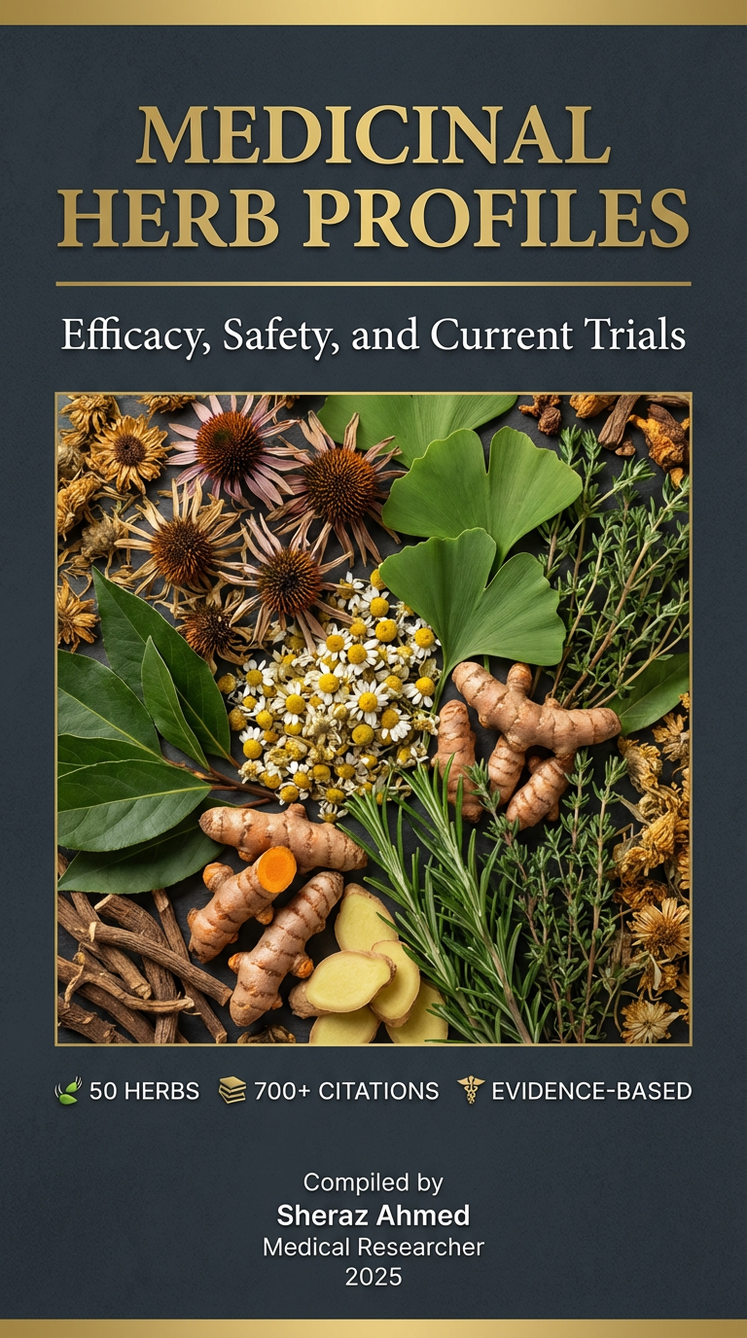
📚 Want the Complete Guide?
Get our comprehensive Medicinal Herb Profiles PDF Book featuring all 50 herbs with detailed information, clinical trials, safety data, and multilingual names.
- ✅ 50 Complete Herb Profiles
- ✅ 700+ Research Citations
- ✅ Evidence-Based Information
- ✅ Instant Digital Download
Perfect for healthcare professionals, students & herbal medicine enthusiasts
🔬 Clinical Trials & Evidence
⚕️ Evidence-Based Research: Clinical trials provide the highest level of evidence for herbal efficacy and safety. The trials listed below represent peer-reviewed research registered on ClinicalTrials.gov. Each trial includes detailed protocols, patient populations, interventions tested, and measurable outcomes. Click links to access full trial details and published results.
Meta-analysis: 58% reduction in cold incidence
Cochrane review: Modest cold prevention benefit
🔍 Find More Clinical Trials
Search for additional ongoing and completed trials investigating this herb's therapeutic effects:
💡 Research Tip: Use both common name and scientific name when searching for comprehensive results. Filter by "Completed" trials to find published outcomes.
💊 Drug Interactions
⚠️ CRITICAL SAFETY INFORMATION
Herb-drug interactions can be serious and potentially life-threatening. Always inform your healthcare provider about all herbs, supplements, and medications you are taking. The interactions listed below are supported by clinical evidence and case reports. Citations link to peer-reviewed research on PubMed.
📚 Evidence-Based Interactions: Each interaction below includes research citations (PMID links) documenting the mechanism, clinical significance, and management recommendations. Click citations to access full studies.
⚠️ Immunosuppressants (Cyclosporine, Tacrolimus, Corticosteroids)
Risk: May reduce immunosuppressant effectiveness
Mechanism: Immune-stimulating properties
Action: AVOID in transplant patients and those on immunotherapy
CYP450 Substrates (CYP3A4, CYP1A2)
Effect: May induce or inhibit drug metabolism
Action: Monitor levels of medications metabolized by CYP enzymes
Caffeine
Effect: May increase caffeine levels (inhibits CYP1A2)
Action: Monitor for jitteriness, insomnia if using both
Hepatotoxic Medications
Effect: Rare hepatotoxicity reported with long-term use
Action: Avoid use beyond 8 weeks. Monitor liver enzymes with chronic use
📖 Key Interaction Databases & Resources
- Natural Medicines Database: Professional herb-drug interaction checker
- PubMed: Search for latest interaction research
- Drugs.com: Drug interaction checker
- Micromedex: Hospital-grade interaction database (subscription required)
💡 Clinical Tip: Show your healthcare provider this page and the linked research citations when discussing potential interactions.
⚠️ Safety Information
Adverse Events
Generally safe with low adverse event rate. Gastrointestinal upset (5-10% users). Allergic reactions in Asteraceae-sensitive individuals (rash, anaphylaxis rare). Contraindicated in autoimmune disease (theoretical immune stimulation). Not recommended for children under 12 without supervision.
⛔ Contraindications
AVOID in autoimmune diseases (multiple sclerosis, lupus, rheumatoid arthritis). Contraindicated in HIV/AIDS (theoretical immune overstimulation). Avoid in tuberculosis. Allergy to Asteraceae family. May interact with immunosuppressants. Discontinue before surgery.
🧬 Mechanism of Action
Alkylamides, polysaccharides, and caffeic acid derivatives provide immunomodulatory effects via: macrophage activation, increased phagocytosis, enhanced natural killer cell activity, cytokine production (IL-1, IL-6, TNF-α), and interferon stimulation. Anti-inflammatory via COX-2 inhibition.
💊 Dosage & Administration
300mg standardized extract 3 times daily at first sign of cold. Continue for 7-10 days maximum per episode. For prevention: 300-500mg daily during cold season. Preparations vary widely - aerial parts of E. purpurea most studied. Fresh juice: 6-9ml daily. Tincture: 2-3ml three times daily. Do not use continuously >8 weeks.
⚕️ Note: Consult healthcare provider for appropriate dosing, especially if taking medications.
📖 Additional Resources
🌐 WHO Monograph
Available in WHO Monographs on Selected Medicinal Plants
🔬 PubMed Search
🧪 ClinicalTrials.gov
Disclosure: This page contains affiliate links. As an Amazon Associate, we earn from qualifying purchases at no additional cost to you. This helps support our educational content.
Data Retrieval Date: November 29, 2025
Compiled by: Sheraz Ahmed
License: CC BY-SA 4.0
Citation: Ahmed, S. (2025). Medicinal Herbs Database. Clinical Corner. https://welovelmc.com/medical-tools.htm