📝 Common Names (6 Languages)
✅ Evidence-Based Benefits
Powerful antioxidant with metabolic benefits. Cochrane review of 14 RCTs shows green tea catechins reduce body weight by 1.31kg and waist circumference by 1.85cm (PMID: 23235664). Meta-analysis demonstrates LDL cholesterol reduction and cardiovascular benefits (PMID: 21715508). May reduce cancer risk - particularly breast, prostate, colorectal. Cognitive benefits and neuroprotection. EGCG (epigallocatechin gallate) primary active compound.
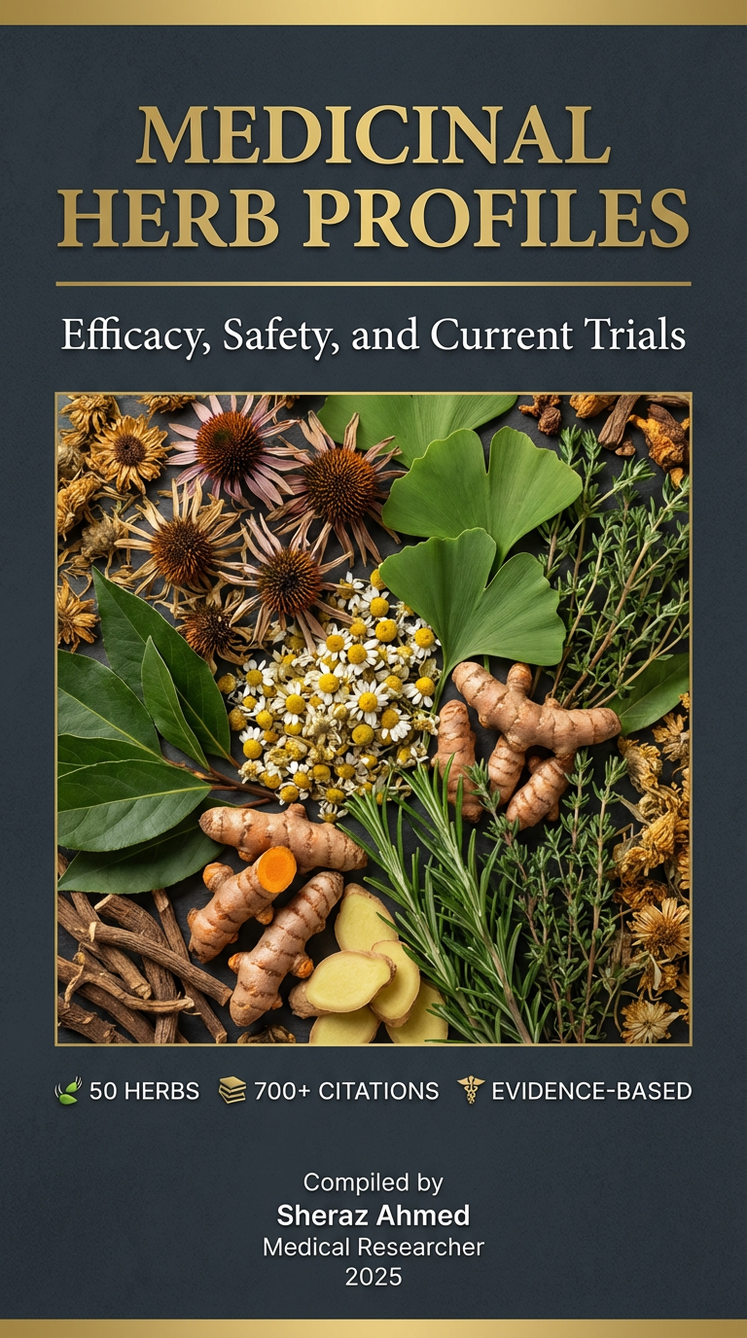
📚 Want the Complete Guide?
Get our comprehensive Medicinal Herb Profiles PDF Book featuring all 50 herbs with detailed information, clinical trials, safety data, and multilingual names.
- ✅ 50 Complete Herb Profiles
- ✅ 700+ Research Citations
- ✅ Evidence-Based Information
- ✅ Instant Digital Download
Perfect for healthcare professionals, students & herbal medicine enthusiasts
🔬 Clinical Trials & Evidence
⚕️ Evidence-Based Research: Clinical trials provide the highest level of evidence for herbal efficacy and safety. The trials listed below represent peer-reviewed research registered on ClinicalTrials.gov. Each trial includes detailed protocols, patient populations, interventions tested, and measurable outcomes. Click links to access full trial details and published results.
Cochrane review: 14 RCTs, weight and waist reduction
Meta-analysis: LDL cholesterol and cardiovascular benefits
🔍 Find More Clinical Trials
Search for additional ongoing and completed trials investigating this herb's therapeutic effects:
💡 Research Tip: Use both common name and scientific name when searching for comprehensive results. Filter by "Completed" trials to find published outcomes.
💊 Drug Interactions
⚠️ CRITICAL SAFETY INFORMATION
Herb-drug interactions can be serious and potentially life-threatening. Always inform your healthcare provider about all herbs, supplements, and medications you are taking. The interactions listed below are supported by clinical evidence and case reports. Citations link to peer-reviewed research on PubMed.
📚 Evidence-Based Interactions: Each interaction below includes research citations (PMID links) documenting the mechanism, clinical significance, and management recommendations. Click citations to access full studies.
⚠️ Hepatotoxic Medications (Acetaminophen, Statins)
Risk: High-dose extracts may cause liver damage
Action: Avoid high-dose extracts (>800mg EGCG). Monitor liver enzymes
Anticoagulants (Warfarin)
Effect: Vitamin K in green tea may reduce warfarin effectiveness
Action: Keep intake consistent. Monitor INR
Stimulants & MAOIs
Effect: Caffeine may cause additive stimulant effects
Action: May cause hypertension, rapid heart rate with MAOIs
Iron Supplements
Effect: Tannins reduce iron absorption by 60%
Action: Take iron and green tea 2-4 hours apart
📖 Key Interaction Databases & Resources
- Natural Medicines Database: Professional herb-drug interaction checker
- PubMed: Search for latest interaction research
- Drugs.com: Drug interaction checker
- Micromedex: Hospital-grade interaction database (subscription required)
💡 Clinical Tip: Show your healthcare provider this page and the linked research citations when discussing potential interactions.
⚠️ Safety Information
Adverse Events
Generally safe when consumed as beverage. Extracts at high doses (>800mg EGCG/day) may cause hepatotoxicity - rare but serious. Caffeine content (25-50mg per cup) may cause insomnia, jitteriness. Nausea if taken on empty stomach. Iron absorption reduced (take 2 hours apart from iron). Rare allergic reactions. Beverage form safest.
⛔ Contraindications
CAUTION with high-dose extracts - hepatotoxicity reported (especially fasting state). Limit caffeine in anxiety, insomnia, cardiac arrhythmias. May interact with numerous medications. Pregnancy: limit to 2 cups/day (<200mg caffeine). Avoid in iron deficiency anemia. Discontinue extracts if liver enzymes elevated.
🧬 Mechanism of Action
EGCG (epigallocatechin gallate) and other catechins provide: (1) Antioxidant - free radical scavenging, (2) Thermogenic - increased fat oxidation and energy expenditure, (3) Inhibits COMT (extends norepinephrine activity), (4) Anti-inflammatory via NF-κB inhibition, (5) Cardioprotective and neuroprotective, (6) Potential anti-cancer via multiple pathways.
💊 Dosage & Administration
3-5 cups tea daily (240-400mg catechins) OR 250-500mg standardized extract daily (standardized to 50-90% catechins, 25-50% EGCG). For weight loss: 300-400mg EGCG daily. DO NOT exceed 800mg EGCG/day from supplements (hepatotoxicity risk). Take with food to minimize nausea. Decaffeinated available. Best consumed between meals for antioxidant benefits.
⚕️ Note: Consult healthcare provider for appropriate dosing, especially if taking medications.
📖 Additional Resources
🌐 WHO Monograph
Available in WHO Monographs on Selected Medicinal Plants
🔬 PubMed Search
🧪 ClinicalTrials.gov
Disclosure: This page contains affiliate links. As an Amazon Associate, we earn from qualifying purchases at no additional cost to you. This helps support our educational content.
Data Retrieval Date: November 29, 2025
Compiled by: Sheraz Ahmed
License: CC BY-SA 4.0
Citation: Ahmed, S. (2025). Medicinal Herbs Database. Clinical Corner. https://welovelmc.com/medical-tools.htm