📝 Common Names (6 Languages)
✅ Evidence-Based Benefits
Ancient Ayurvedic resin for cholesterol management. Meta-analysis shows modest but significant reduction in total cholesterol (-13%) and LDL cholesterol (-15%) with standardized extract (PMID: 12761364). Anti-inflammatory benefits for osteoarthritis and rheumatoid arthritis (PMID: 14693731). Traditional use for obesity and atherosclerosis. Note: Results mixed across trials - standardization and bioavailability critical for efficacy.
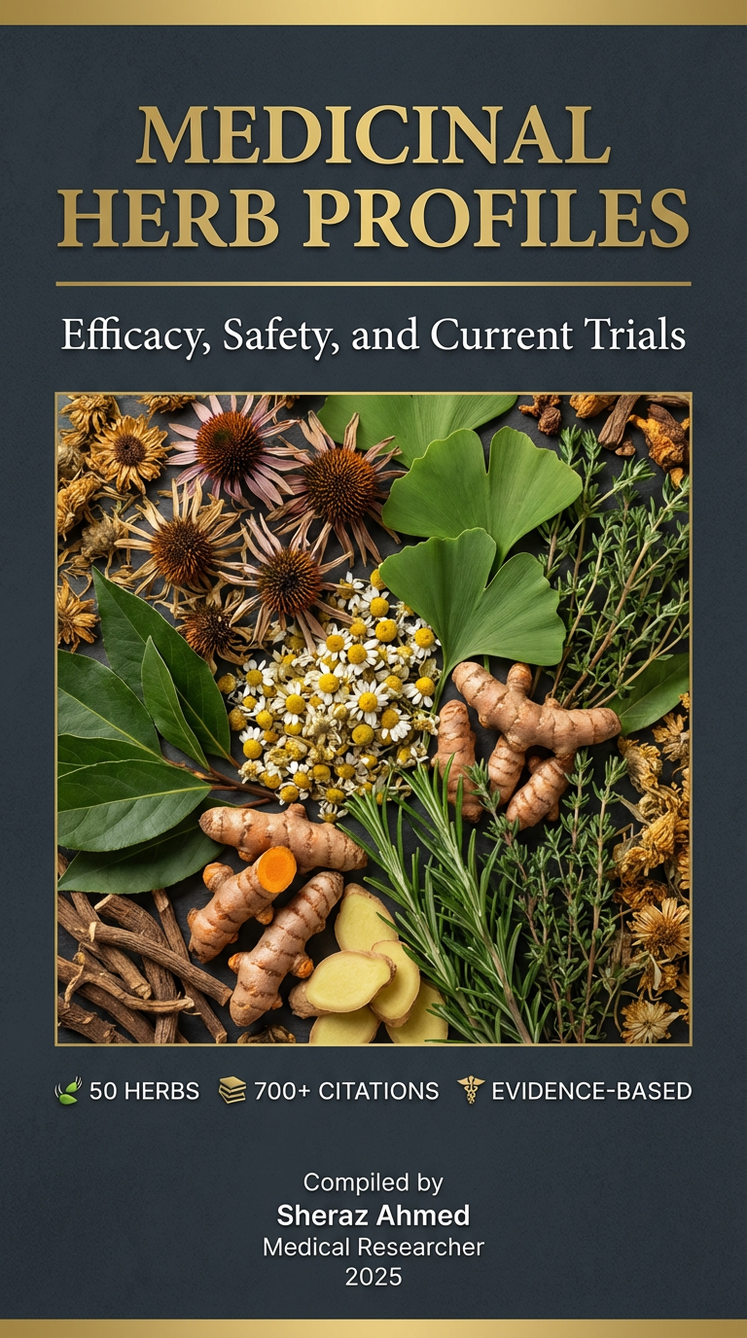
📚 Want the Complete Guide?
Get our comprehensive Medicinal Herb Profiles PDF Book featuring all 50 herbs with detailed information, clinical trials, safety data, and multilingual names.
- ✅ 50 Complete Herb Profiles
- ✅ 700+ Research Citations
- ✅ Evidence-Based Information
- ✅ Instant Digital Download
Perfect for healthcare professionals, students & herbal medicine enthusiasts
🔬 Clinical Trials & Evidence
⚕️ Evidence-Based Research: Clinical trials provide the highest level of evidence for herbal efficacy and safety. The trials listed below represent peer-reviewed research registered on ClinicalTrials.gov. Each trial includes detailed protocols, patient populations, interventions tested, and measurable outcomes. Click links to access full trial details and published results.
Meta-analysis: Cholesterol reduction validated
Study: Anti-inflammatory for arthritis
💊 Drug Interactions
Important: Always inform your healthcare provider about all herbs and supplements you are taking.
Anticoagulants & Antiplatelets (Warfarin, Aspirin, Clopidogrel)
Effect: May enhance bleeding risk
Mechanism: Antiplatelet effects of guggulsterones
Action: Monitor INR closely. Watch for bruising, bleeding gums, nosebleeds
Evidence: Case reports and pharmacological studies
Thyroid Medications (Levothyroxine, Liothyronine)
Effect: May increase thyroid hormone levels
Mechanism: Thyroid-stimulating properties
Action: Monitor TSH, T3, T4 levels. AVOID in hyperthyroidism. May require thyroid medication dose reduction
Lipid-lowering Medications (Statins, Fibrates)
Effect: Additive cholesterol-lowering effects
Action: May be synergistic but monitor lipid panel and liver function. Risk of excessive cholesterol reduction rare
Propranolol & Beta-blockers
Effect: Guggul may increase propranolol bioavailability
Action: Monitor blood pressure and heart rate
Diltiazem (Calcium Channel Blocker)
Effect: Reduced diltiazem bioavailability
Mechanism: P-glycoprotein induction by guggul
Action: Monitor blood pressure. May reduce diltiazem effectiveness
⚠️ Safety Information
Adverse Events
Skin rash in 5-10% users (may be allergic dermatitis). Gastrointestinal upset (diarrhea, nausea) in ~8%. Rare thyroid stimulation - monitor TSH. Headache occasionally reported. May interact with blood thinners and thyroid medications.
⛔ Contraindications
AVOID in hyperthyroidism (may increase thyroid hormones). Caution with anticoagulants (bleeding risk). May cause skin photosensitivity - use sunscreen. Avoid in pregnancy/breastfeeding. May worsen inflammatory bowel disease.
🧬 Mechanism of Action
Guggulsterones (E and Z) modulate lipid metabolism via FXR (farnesoid X receptor) antagonism and cholesterol excretion. Anti-inflammatory via LOX and COX inhibition. May stimulate thyroid function (T3, T4 production).
💊 Dosage & Administration
75-150mg guggulsterones daily (typically 500-1000mg extract standardized to 2.5-5% guggulsterones). Divide into 2-3 doses with meals. Traditional: 1-2g crude resin. Effects on lipids after 4-12 weeks. Use standardized extracts for consistent results.
⚕️ Note: Consult healthcare provider for appropriate dosing, especially if taking medications.
Disclosure: This page contains affiliate links. As an Amazon Associate, we earn from qualifying purchases at no additional cost to you. This helps support our educational content.
Data Retrieval: November 29, 2025 | Compiled by: Sheraz Ahmed
License: CC BY-SA 4.0
Citation: Ahmed, S. (2025). Medicinal Herbs Database. Clinical Corner. https://welovelmc.com/medical-tools.htm