📝 Common Names (6 Languages)
✅ Evidence-Based Benefits
Gold-standard treatment for irritable bowel syndrome (IBS). Meta-analysis of 12 RCTs shows peppermint oil superior to placebo for IBS symptoms - 40% reduction in abdominal pain (PMID: 18723036). Cochrane review confirms benefit for IBS pain and global symptom relief (PMID: 18843608). Enteric-coated capsules reduce bloating, gas, and bowel discomfort. Also effective for nausea, headache (topical), and indigestion.
📚 Want the Complete Guide?
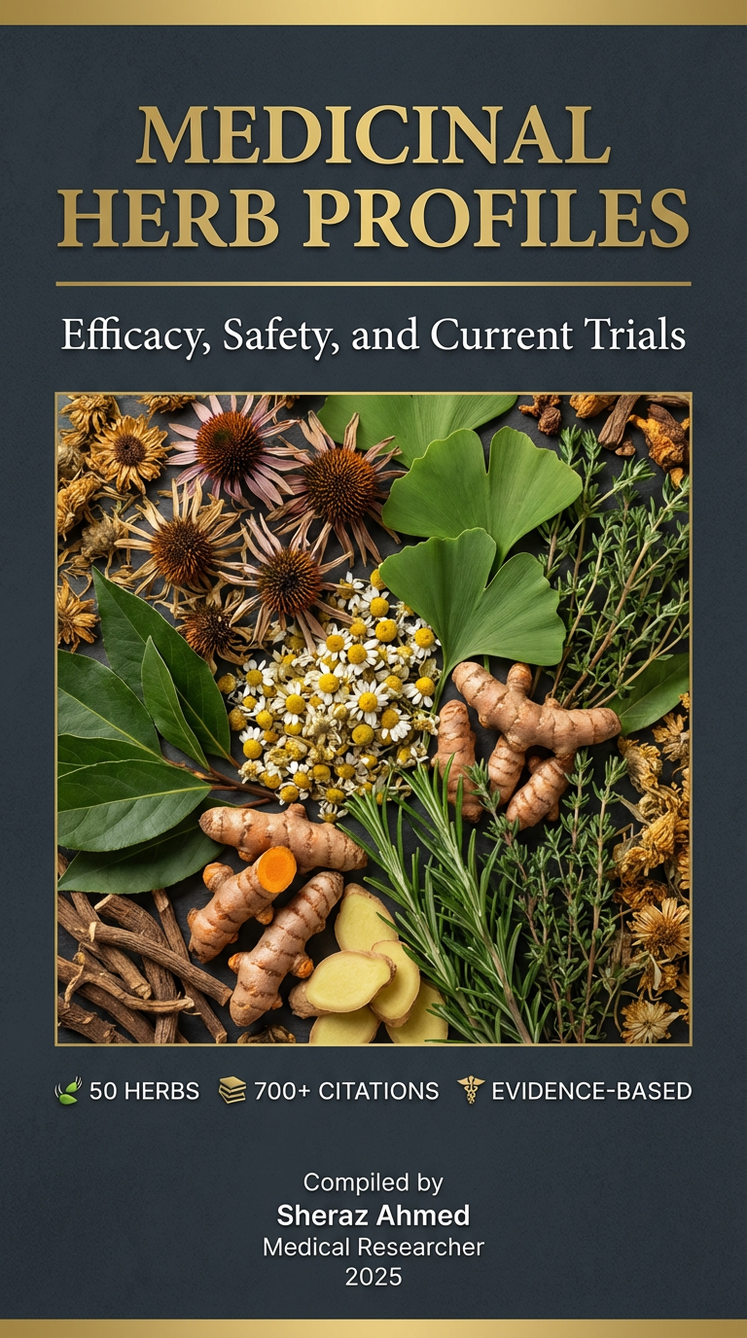
Get our comprehensive Medicinal Herb Profiles PDF Book featuring all 50 herbs with detailed information, clinical trials, safety data, and multilingual names.
- ✅ 50 Complete Herb Profiles
- ✅ 700+ Research Citations
- ✅ Evidence-Based Information
- ✅ Instant Digital Download
Perfect for healthcare professionals, students & herbal medicine enthusiasts
🔬 Clinical Trials & Evidence
⚕️ Evidence-Based Research: Clinical trials provide the highest level of evidence for herbal efficacy and safety. The trials listed below represent peer-reviewed research registered on ClinicalTrials.gov. Each trial includes detailed protocols, patient populations, interventions tested, and measurable outcomes. Click links to access full trial details and published results.
Meta-analysis: 12 RCTs, 40% IBS pain reduction
Cochrane review: IBS symptom relief validated
🔍 Find More Clinical Trials
Search for additional ongoing and completed trials investigating this herb's therapeutic effects:
💡 Research Tip: Use both common name and scientific name when searching for comprehensive results. Filter by "Completed" trials to find published outcomes.
💊 Drug Interactions
⚠️ CRITICAL SAFETY INFORMATION
Herb-drug interactions can be serious and potentially life-threatening. Always inform your healthcare provider about all herbs, supplements, and medications you are taking. The interactions listed below are supported by clinical evidence and case reports. Citations link to peer-reviewed research on PubMed.
📚 Evidence-Based Interactions: Each interaction below includes research citations (PMID links) documenting the mechanism, clinical significance, and management recommendations. Click citations to access full studies.
CYP450 Substrates (CYP3A4, CYP1A2, CYP2C19)
Effect: Peppermint oil may inhibit drug metabolism
Mechanism: Competitive enzyme inhibition by menthol
Action: Monitor drug levels. May increase levels of CYP substrates
Antacids & Proton Pump Inhibitors
Effect: May reduce enteric coating effectiveness
Mechanism: Raised gastric pH dissolves coating prematurely
Action: Take peppermint 2 hours apart from antacids/PPIs
Iron Supplements
Effect: May reduce iron absorption
Action: Take iron and peppermint at different times of day
📖 Key Interaction Databases & Resources
- Natural Medicines Database: Professional herb-drug interaction checker
- PubMed: Search for latest interaction research
- Drugs.com: Drug interaction checker
- Micromedex: Hospital-grade interaction database (subscription required)
💡 Clinical Tip: Show your healthcare provider this page and the linked research citations when discussing potential interactions.
⚠️ Safety Information
Adverse Events
Generally very safe. Heartburn or GERD worsening if using non-enteric coated formulations (relaxes lower esophageal sphincter). Rare allergic reactions. Peppermint oil too strong for infants (can cause breathing difficulty). Anal burning if capsules not enteric-coated. Minimal adverse effects in systematic reviews.
⛔ Contraindications
Caution in GERD (may worsen reflux). Contraindicated in gallbladder disease or bile duct obstruction. Not for infants (respiratory risk). May interact with CYP450 metabolized drugs. Generally safe in pregnancy at culinary doses, avoid therapeutic doses.
🧬 Mechanism of Action
L-menthol (primary component) acts as calcium channel blocker in smooth muscle, causing antispasmodic effects in GI tract. Reduces visceral pain sensitivity. Carminative - relieves gas and bloating. Cooling sensation via TRPM8 receptor activation. Anti-inflammatory and antimicrobial properties.
💊 Dosage & Administration
For IBS: 180-200mg enteric-coated peppermint oil capsules (0.2ml oil per capsule) 2-3 times daily 30 minutes before meals. Total: 450-750mg daily. Tea: 1-2 cups daily (1 tablespoon dried leaves per cup). Topical for headache: diluted oil to temples. MUST use enteric-coated for IBS. Benefits seen within 2-4 weeks.
⚕️ Note: Consult healthcare provider for appropriate dosing, especially if taking medications.
📖 Additional Resources
🌐 WHO Monograph
Available in WHO Monographs on Selected Medicinal Plants
🔬 PubMed Search
🧪 ClinicalTrials.gov
Disclosure: This page contains affiliate links. As an Amazon Associate, we earn from qualifying purchases at no additional cost to you. This helps support our educational content.
Data Retrieval Date: November 29, 2025
Compiled by: Sheraz Ahmed
License: CC BY-SA 4.0
Citation: Ahmed, S. (2025). Medicinal Herbs Database. Clinical Corner. https://welovelmc.com/medical-tools.htm